
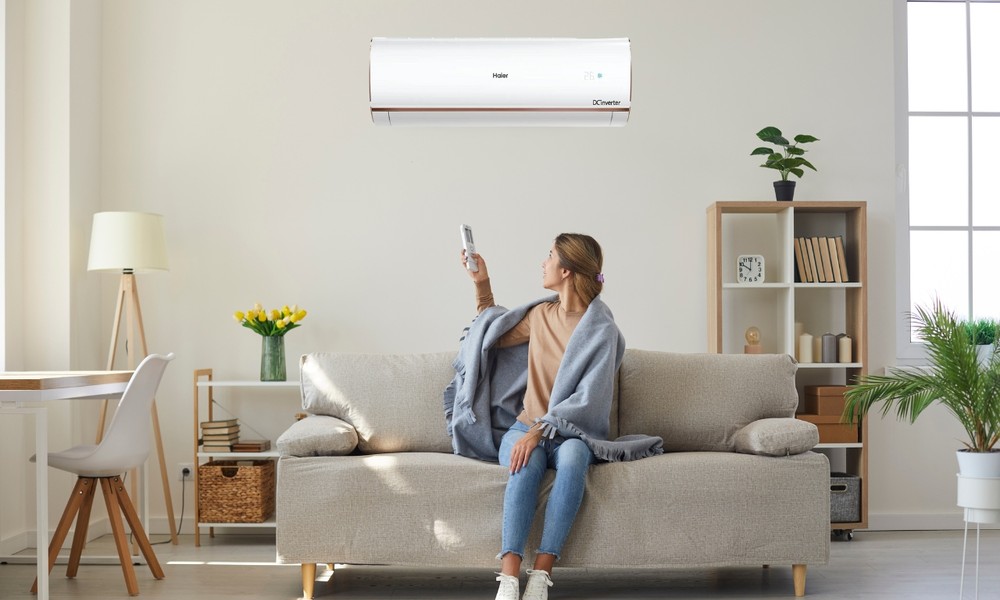
A clean home should feel refreshing, comfortable, and healthy, but many homeowners overlook one essential factor: the quality of the air inside their living space. Dust, allergens, pet dander, mold spores, and chemical pollutants can silently affect your comfort and well-being every day. Since most people spend a large portion of their time indoors, creating a fresher home environment is about more than tidiness, it directly impacts respiratory health, energy levels, and overall quality of life. Fortunately, simple habits and smart home strategies can significantly improve your indoor atmosphere.
One of the most important elements of a healthier home is indoor air quality. Clean air supports better breathing, fewer allergy symptoms, and improved home comfort, while poor air quality can contribute to headaches, fatigue, and respiratory irritation. Everyday activities like cooking, cleaning, and even using HVAC systems can influence the air you breathe. By combining proper ventilation, regular HVAC maintenance, and strategic cleaning practices, homeowners can create a fresher, healthier environment without major renovations.
Why Indoor Air Quality Matters More Than You Think
Indoor air often contains more pollutants than many homeowners realize. Without proper airflow and filtration, contaminants can build up and circulate continuously.
Common Indoor Pollutants
Household air can contain dust mites, pollen, mold spores, pet dander, smoke particles, and volatile organic compounds (VOCs) from cleaning products or furniture materials. Poor ventilation may trap these irritants, especially in tightly sealed homes focused on energy efficiency.
Signs Your Home’s Air May Need Improvement
- Frequent sneezing or coughing indoors
- Excess dust buildup
- Musty odors
- Dry throat or irritated eyes
- Increased allergy symptoms
- Uneven humidity levels
Recognizing these signs can help you take action before discomfort becomes a larger concern.
Improve Ventilation for Fresher Airflow
Fresh air circulation is one of the simplest and most effective ways to improve home air quality. Proper ventilation helps remove stale air, odors, and airborne pollutants.
Practical Ways to Increase Ventilation
Opening windows regularly, using exhaust fans in kitchens and bathrooms, and ensuring attic or crawl space ventilation can all improve airflow. Ceiling fans can also support circulation, though they do not replace fresh air exchange.
A balanced ventilation strategy supports indoor air quality while helping regulate humidity and reducing pollutant buildup. Homes with proper airflow often feel fresher and more comfortable year-round.
HVAC Maintenance: Your First Line of Defense
Your heating and cooling system plays a major role in the air your family breathes. HVAC systems continuously circulate air, which means neglected systems can also distribute dust and allergens.
Essential HVAC Maintenance Tasks
Replacing air filters every one to three months is one of the easiest ways to support cleaner air. Seasonal inspections, duct cleaning when necessary, and thermostat checks can also improve both system performance and air circulation.
HVAC Best Practices for Cleaner Air:
- Change filters regularly
- Schedule seasonal tune-ups
- Keep vents unobstructed
- Inspect ductwork for dust buildup
- Monitor humidity levels
- Clean around vents and registers
Routine maintenance improves home comfort, system efficiency, and cleaner airflow.
Control Humidity to Prevent Mold and Discomfort
Humidity control is essential for maintaining both comfort and healthy air. Excess moisture can encourage mold growth, while overly dry air may irritate skin and respiratory passages.
Ideal Humidity Levels
Most homes benefit from humidity between 30% and 50%. Dehumidifiers can help in damp climates, while humidifiers may improve comfort in dry seasons.
Balanced humidity supports healthier air, protects furniture, and helps HVAC systems operate more efficiently.
Smart Cleaning Habits That Support Better Air
A clean-looking home doesn’t always mean cleaner air. Dust and allergens often hide in fabrics, carpets, and overlooked spaces.
Effective Cleaning Strategies
Vacuuming with HEPA filters, washing bedding weekly, and cleaning curtains or upholstery can reduce airborne irritants. Choosing low-VOC products may also reduce chemical pollutants.
Easy Home Habits for Fresher Air:
- Vacuum carpets and rugs regularly
- Wash bedding weekly
- Use non-toxic cleaning products
- Groom pets often
- Minimize clutter
- Clean ceiling fans and vents
These habits reduce allergen buildup and support a healthier indoor environment.
Air Purifiers and Filtration Upgrades
For households with allergies, pets, or urban pollution exposure, additional air purification may offer added benefits.
Helpful Air Quality Upgrades
Portable air purifiers with HEPA filtration can capture fine particles, while whole-home purification systems may integrate directly with HVAC systems. UV air sanitizers can also reduce airborne microbes in certain setups.
Choosing the right filtration solution depends on your household’s specific needs, but improved filtration often contributes to better respiratory comfort.
Energy Efficiency and Clean Air Go Hand in Hand
Many homeowners focus on energy efficiency through insulation and sealed windows, but tighter homes can trap pollutants if ventilation is poor.
Balancing Efficiency and Air Quality
Smart thermostats, energy-efficient HVAC systems, and proper ventilation strategies help maintain both lower utility bills and healthier air. Sealing air leaks while ensuring controlled ventilation is often the best approach.
This balance supports sustainable living while preserving comfort.
Long-Term Benefits of Cleaner Indoor Air
Improving air quality offers both immediate and lasting rewards for homeowners.
Key Benefits Include:
- Reduced allergy symptoms
- Better respiratory health
- Improved sleep quality
- Enhanced HVAC efficiency
- Lower dust accumulation
- Greater home comfort
Cleaner air creates a healthier foundation for everyday living.
Closing Remarks
Creating a fresher home environment starts with simple, consistent habits that improve air quality, ventilation, and comfort. From HVAC maintenance and humidity control to better cleaning routines and smart filtration, small changes can make a meaningful difference in how your home feels and functions. Prioritizing indoor air quality supports better health, greater energy efficiency, and a more comfortable living space. By taking proactive steps today, homeowners can enjoy cleaner air, improved well-being, and a healthier home for years to come.