
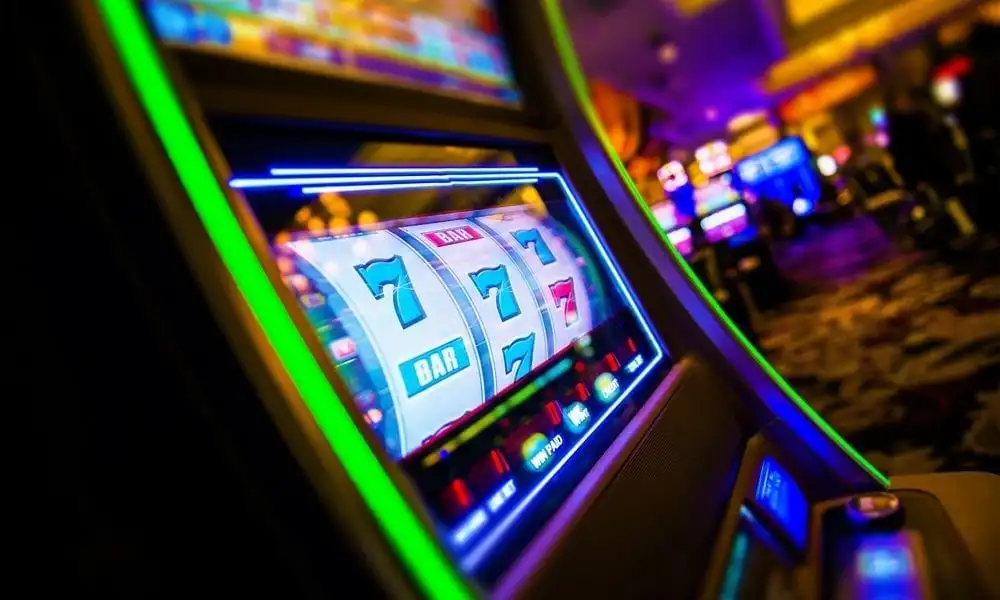
Progressive prize pools transform routine lottery games into potentially life-changing opportunities. Traditional keno offered fixed payouts, capping maximum wins at predetermined levels. https://crypto.games/keno/ethereum incorporates jackpot systems that accumulate prizes from player contributions over time. Smart contracts manage progressive pools automatically distributing accumulated funds when winning conditions are triggered.
Progressive pool accumulation
Jackpot funds grow continuously from portions of every player’s bet across the entire network. A small percentage from each wager adds to progressive pools, creating substantial accumulated prizes. Multiple concurrent jackpots may exist at different tiers, offering varied achievement targets. Lower-tier jackpots trigger more frequently, providing regular excitement. Top-tier jackpots accumulate to massive amounts through extended periods without winners. Smart contracts track accumulation automatically with complete transparency through blockchain records. Players monitor growing jackpots in real-time, seeing exactly how much money awaits winners. Transparency builds excitement as pools grow toward psychologically significant milestone amounts.
Triggering condition complexity
Jackpot wins require meeting specific conditions beyond standard game victories. Catching maximum numbers like 10 out of 10 or 15 out of 15 might trigger jackpot eligibility. Some implementations require special multipliers to activate during winning draws. Combinations of difficult catches plus bonus features create challenging achievement targets. Probability calculations show jackpot conditions occur rarely, justifying accumulated prize sizes. Players understand that low trigger probability is accepted in exchange for massive potential rewards. Smart contracts verify triggering conditions automatically without human judgment or interpretation.
Tiered jackpot structures
Multiple jackpot levels provide varied achievement opportunities at different difficulty scales:
- Mini jackpots trigger frequently, offering modest but regular excitement
- Minor jackpots require moderately difficult achievements, providing mid-range prizes
- Major jackpots demand rare accomplishments, delivering substantial rewards
- Grand jackpots represent ultimate achievements with life-changing potential
- Mega jackpots may accumulate across multiple games, creating enormous prizes
Tiered structures keep regular players engaged through achievable, smaller jackpots. Top-tier jackpots provide aspirational goals, driving continued participation. Multiple levels accommodate different player types and risk preferences.
Automatic prize distribution
Smart contracts instantly transfer jackpot winnings to player wallets when conditions are met. No manual approval processes delay prize delivery or create uncertainty. Blockchain transactions provide cryptographic proof of distribution within seconds. Traditional lottery jackpots involved bureaucratic claim processes taking days or weeks. Winners faced verification procedures and documentation requirements before receiving funds. Blockchain automation collapsed the entire process into a single atomic transaction. Immediate distribution prevents disputes about rightful winners or payment obligations.
Seed funding mechanisms
New jackpots start with minimum amounts, ensuring psychological appeal from launch. Operators seed initial pools, preventing zeros that discourage participation. Minimum starting amounts create immediate interest before player contributions accumulate. Seeds might come from operator reserves or portions of previous jackpot wins. Transparent blockchain records show seed sources and accumulation patterns clearly. Players verify jackpot legitimacy through on-chain analysis before participating. Proper seeding balances operator costs against player attraction requirements.
Cross-game pooling options
Some implementations pool contributions across multiple game variants, creating larger prizes. Shared jackpots between different keno versions accelerate accumulation rates. Players across various games compete for identical progressive pools. This pooling increases jackpot sizes beyond single-game accumulation possibilities. Larger pools attract more players, creating positive feedback loops. Smart contracts manage complex multi-game pooling automatically, tracking contributions and winners. Transparent accounting prevents disputes about fair distribution across game variants.
Progressive jackpots elevated keno from a fixed-payout lottery into a dynamic prize environment. Smart contract automation delivered instant distribution and transparent accumulation. Tiered structures provided engagement across skill levels and achievement probabilities. Blockchain implementation made jackpot management trustworthy through mathematical verification rather than operator promises.