
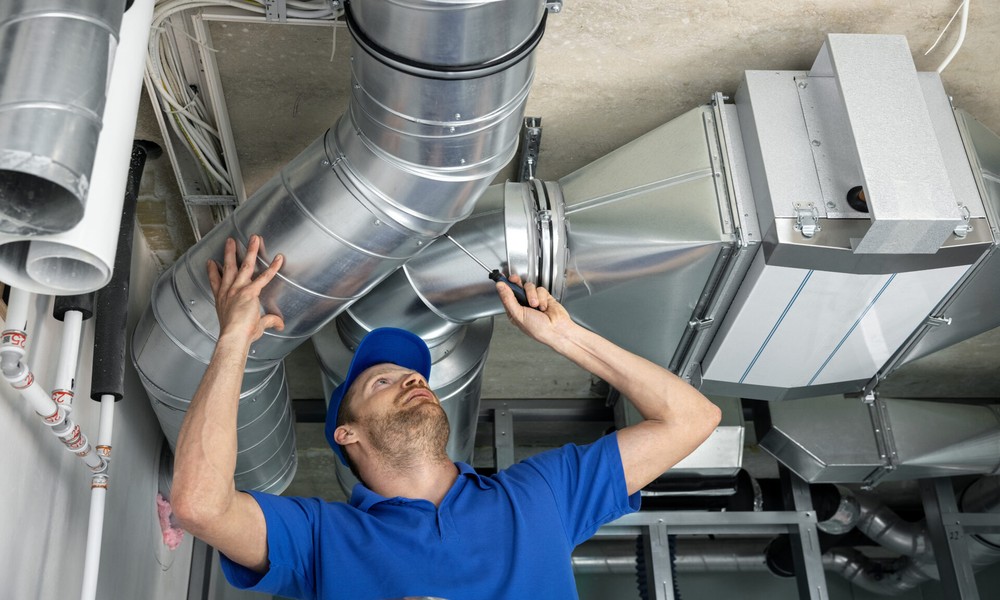
Duct repair involves more than fixing leaks or reconnecting sections. Insulation plays a direct role in how well air moves through the system and how effectively it maintains its temperature. When insulation is overlooked, repaired ducts may still lose energy and fail to deliver consistent comfort.
In many situations, ductwork repair for homes and businesses includes restoring or replacing insulation to improve performance. Insulated ducts help preserve the temperature of the air as it travels, reducing energy loss and supporting steady airflow. This step ensures that repairs deliver measurable improvements instead of temporary results.
Reasons Why Insulation Matters In Duct Systems
Insulation works as a protective layer that keeps conditioned air stable inside the ducts. Without it, air can be affected by surrounding temperatures, which leads to inefficiency and uneven results in different areas of a building.
Temperature Stability And System Efficiency
When ducts are properly insulated, the air inside stays closer to its intended temperature from start to finish. This reduces the need for the HVAC system to compensate for temperature changes.
- Warm air remains consistent as it moves through ducts
- Cool air avoids unwanted heat exposure
- The system operates with less strain
These factors help maintain steady performance and prevent unnecessary energy use. Insulation allows the system to work as designed without constant adjustments.
Moisture Control And Clean Airflow
Insulation also helps prevent condensation, which forms when there is a temperature difference between duct surfaces and the surrounding air. Moisture inside or around ducts can create several issues:
- Growth of mold within duct surfaces
- Damage to nearby structures or materials
- Compromised indoor air quality
Key Considerations During Duct Repair
Insulation should always be evaluated during any repair process. Ignoring it can lead to repeated problems even after visible damage is fixed.
Signs Of Insulation Issues
Certain signs indicate that insulation needs attention during repair:
- Sections where insulation is missing or torn
- Duct surfaces that feel unusually warm or cold
- Visible moisture or signs of condensation
Addressing these problems ensures that the system performs reliably after repairs are completed.
Choosing And Installing The Right Insulation
The effectiveness of insulation depends on both the material and how it is installed. Factors such as duct location and surrounding conditions influence the choice of insulation. Proper installation is necessary to avoid gaps or loose sections that reduce performance.
During ductwork repair for homes and businesses, improving insulation is sometimes part of enhancing overall system efficiency. This step supports consistent airflow and helps prevent future issues.
Long-Term Benefits Of Proper Insulation
Well-insulated ducts support steady operation over time. They reduce temperature stress within the system, which helps maintain performance and lowers the chance of repeated repairs.
Consistent airflow also improves comfort across indoor spaces. Rooms receive air at a stable temperature, which helps maintain balance throughout the building. Insulation also contributes to energy efficiency by reducing the workload on HVAC systems. Lower energy demand supports smoother operation and helps maintain system reliability.
How To Find Reliable Professionals For Duct Insulation Repair
Hiring the right professional helps ensure insulation is handled correctly during duct repair. Trained technicians can spot issues like loose insulation, hidden leaks, or moisture buildup that sometimes go unnoticed. They use the right materials and install insulation with attention to detail. This helps avoid gaps, reduces energy loss, and keeps the system working smoothly over time. Proper repair work supports consistent indoor comfort and lowers the chances of future duct issues.
Insulation is a key part of effective duct repair. It supports temperature control, limits moisture, and improves overall system performance. Addressing insulation during repairs ensures that ducts function properly and deliver consistent results across the entire space.