
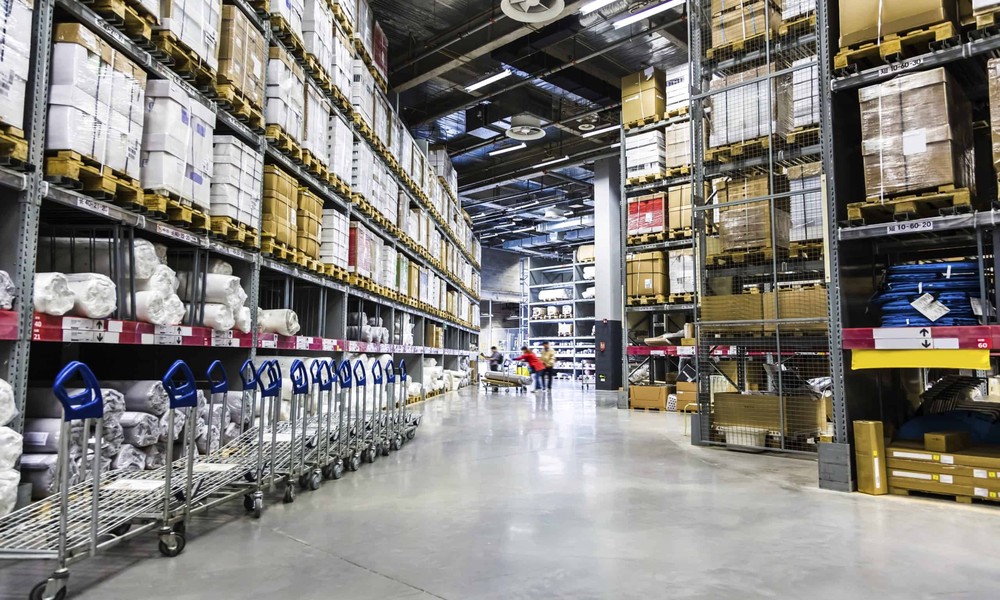
A poorly planned distribution center can drain profits, tie up inventory, and frustrate customers. The reverse is also true: smart planning turns warehouses into silent engines of business growth. But what does it really take to get distribution center planning right?
What Is Distribution Center Planning and Why Does It Matter?
Distribution centers serve as the beating heart of modern supply chains. Not just storage facilities, they are strategic hubs where products are received, sorted, and dispatched to customers or retail outlets. In markets where speed and precision define winners, the way these centers are designed and operated has a direct impact on costs, customer satisfaction, and company reputation.
Planning defines how well a distribution center performs. A thoughtful plan anticipates future demand, integrates new technologies, and allows for operational pivots when supply chains are hit by surprises. Companies that invest in this process see smoother workflows and fewer expensive mistakes.
Which Factors Influence Effective Distribution Center Planning?
Location decisions are not just about geography. The best sites offer proximity to key markets, access to highways, ports, and sometimes even rail lines. Distribution centers positioned strategically cut shipping times and decrease transportation costs, a crucial competitive edge.
Facility size and layout must match the business’s needs without being wasteful. An undersized warehouse leads to bottlenecks, while excess space drives unnecessary operating expenses. Leaders like Stendel + Reich architecte centre de distribution have demonstrated how intelligent architecture can balance these needs for clients across industries.
Technology has become a non-negotiable. Automated sortation, real-time inventory monitoring, and integration with suppliers are now essential. Planning must account for both current needs and the ability to upgrade systems as technology evolves.
How Do You Design the Optimal Layout for a Distribution Center?
Getting the layout right is part science, part art. Storage, picking, and shipping areas need clear demarcation, but they must also flow into each other to minimize wasted movement. Bottlenecks in one area ripple across the entire operation.
Flexibility is key. E-commerce peaks, seasonal inventory swings, and product launches can all stress a rigid design. When layouts can adapt, by reconfiguring racks, expanding picking zones, or adding staging areas, operations stay efficient regardless of what the market throws at them.
Safety and ergonomics should never be afterthoughts. Wide aisles, clear sightlines, and ergonomic picking stations do more than protect workers; they also boost productivity and morale.
What Are the Essential Technologies for Modern Distribution Centers?
Warehouse Management Systems (WMS) drive efficiency by providing real-time visibility into inventory, shipments, and labor allocation. These systems lay the foundation for automation tools like conveyors, robotics, and automated storage and retrieval systems (AS/RS). Each technology must fit the company’s size and product mix.
Data analytics has moved from “nice to have” to mission-critical. Systems that crunch operational data in real time help managers spot trouble before it escalates, forecast demand, and optimize resource use.
How Can Inventory Management Impact Distribution Center Efficiency?
Inventory tracking strategies define how smoothly a warehouse runs. Barcode scanning, RFID tagging, and automated cycle counting keep inventory records accurate and reduce shrinkage.
Companies must choose between just-in-time (JIT) inventory (keep stock lean, minimize excess) and bulk approaches (buy and hold to avoid disruptions). Each has pros and cons. JIT is more efficient but riskier during supply chain shocks.
The true cost comes from errors and stockouts. Every mispick, misplaced pallet, or empty shelf can cascade into lost sales and dissatisfied customers.
What Operational Processes Drive Performance in a Distribution Center?
Receiving sets the tone. Streamlined inbound logistics, such as scheduled dock times and rapid quality checks, prevent backlogs at the earliest stage.
Efficient picking, packing, and shipping methods save time and labor. Goods-to-person systems, zone picking, and batch processing are just a few ways operations can be fine-tuned.
Continuous improvement, inspired by lean methodologies, keeps distribution centers evolving. Regular review of key performance indicators (KPIs) and staff feedback uncover hidden inefficiencies.
How Does Sustainability Factor into Distribution Center Planning?
Green building practices now go hand in hand with cost savings. Energy-efficient lighting, advanced HVAC, and well-insulated structures slash operating expenses and reduce environmental impact.
Waste reduction is equally important. Recycling programs, reusable packaging, and smarter inventory management help cut landfill contributions and disposal costs.
Sustainability efforts are not just about compliance. They increasingly shape brand reputation and are becoming key selection criteria for partners and customers.
What Are Common Challenges and How Can They Be Overcome?
The labor market is unpredictable. Automation can soften the impact of worker shortages, but retaining skilled staff still demands attention to training and safe, comfortable work environments.
Supply chain disruptions, whether from weather, politics, or pandemics, require contingency plans and flexible processes. Real-time data and scenario planning help organizations stay nimble.
Consumer expectations change fast. Being able to shift fulfillment models, introduce new delivery options, or scale up quickly is largely determined by how well the distribution center was planned in the first place.
Getting distribution center planning right is a moving target, but those who invest in foundational elements, site, technology, layout, and sustainable practices, position themselves to thrive as the next wave of logistics challenges arrives.