
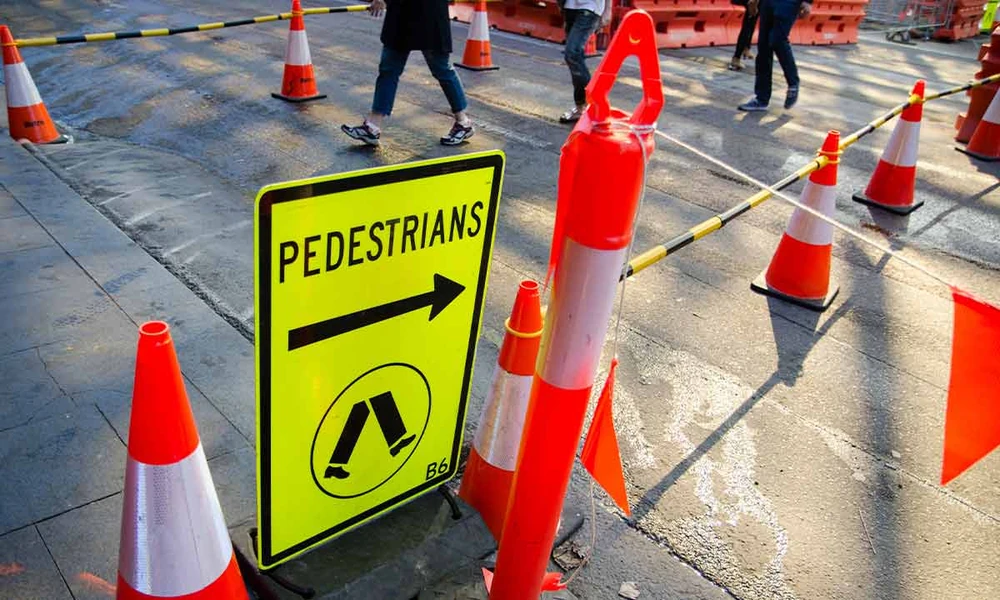
A construction crane rising above Toronto’s skyline signals progress, but what most people don’t see is the intricate web of permits and approvals holding that project together. For any work that spills onto city streets, from a simple disposal bin to a months-long lane closure, road occupancy permits are not just paperwork. They are the gatekeepers for safety, efficiency, and the city’s daily flow.
What Are Road Occupancy Permits and Why Are They Required in Toronto?
Defining Street Occupation Permits and Their Role
Whenever a piece of equipment, scaffolding, or even a pile of building materials occupies public space in Toronto, a Street Occupation Permit is required. This permit grants the legal right to use portions of the street, lane, sidewalk, or boulevard for construction or maintenance work. Whether it is for hoarding, cranes, or temporary storage, the city’s goal is to ensure public space is managed responsibly and that disruptions are minimized.
Understanding RoDARS and Its Function in Traffic Coordination
Approving the occupation is just the first step. Next comes RoDARS, the Road Disruption Activity Reporting System, which acts as Toronto’s scheduling and coordination tool. Every occupation that affects traffic, cyclists, or pedestrians must be entered into RoDARS after the permit is issued. This additional approval ensures that closures are coordinated city-wide, preventing gridlock and keeping everyone informed.
Differentiating Between Permits: Street Occupation, RoDARS, and Construction Staging Areas
While the permit authorizes the occupation itself, RoDARS is the city’s way of booking and announcing it. For longer-term projects, especially on major arterial roads, the process gets an extra layer: approval by the City Council for construction staging areas, which may block lanes or sidewalks for extended periods.
Who Issues These Permits and What Are the Key Application Steps?
The City of Toronto’s Transportation Services Role
Permits are issued by the City of Toronto’s Transportation Services, typically in a two-step process. First, the Street Occupation Permit is secured. Next, a RoDARS application is filed, attaching the approved permit. The closure cannot begin without both.
Step-by-Step Process: From Permit Application to RoDARS Approval
1. Complete and submit the Street Occupation Permit application.
2. Prepare all required documents, including a compliant traffic management plan.
3. Pay applicable fees when the permit is issued.
4. File the RoDARS application online, attaching the permit.
5. Await approval and receive a QR code sign, which must be posted at the worksite.
When City Council Approval Is Necessary for Longer Closures
Long-term lane or sidewalk closures, especially on major roads, require an additional review and approval by City Council. This process can take months, as it moves through Community Council before reaching the full council for a decision.
What Types of Activities Require Road Occupancy Permits?
Common Construction and Utility Work Triggers
Equipment placement, material storage, scaffolding, hoarding, crane installation, and lane closures all trigger the need for a permit. Even temporary ramps or cherry pickers fall under the city’s jurisdiction.
Examples of Occupations: Cranes, Scaffolding, Lane Closures, Material Storage
– Tower and mobile cranes
– Scaffolding and swing stages
– Covered walkways for pedestrian safety
– Temporary storage of materials or machinery
– Lane or road closures for repairs or new builds
Special Cases: Expressways, Major Arterials, and Construction Staging Areas
Work on expressways or major arteries faces additional restrictions, especially during rush hours. Construction staging areas for large building projects may require months of advanced planning and extra approvals.
How to Prepare a Complete and Compliant Permit Application
Essential Documents and Plans: Traffic Management and Closure Letters
A successful application includes a detailed traffic management plan (following Ontario Traffic Manual Book 7), closure letters outlining the schedule, and scaled drawings showing every feature affected.
Technical Requirements: Drawings, Insurance, Engineering Approvals
Drawings must be metric and to scale, showing property lines, street features, and dimensions. Insurance certificates naming the City as additional insured are mandatory, and certain work (like crane installation) requires engineering stamps and approvals from agencies like Transport Canada.
Common Reasons for Application Rejection and How to Avoid Them
Many applications stall due to missing documents, non-compliant traffic plans, unclear pedestrian or cyclist accommodations, or improper insurance. Attention to detail is essential for swift approval.
What Are the Typical Timelines and Restrictions for Permits in Toronto?
Lead Times for Street Occupation Permits and RoDARS Applications
Routine occupations can take several weeks to process. RoDARS applications need at least 5 working days for short-term closures and 10 for longer or expressway work.
Peak Hour and Expressway Closure Restrictions
Closures are rarely allowed during peak traffic hours. On expressways, most closures must occur overnight. Arterial road closures are often pushed to off-peak times.
Planning Around Seasonal and Project-Specific Constraints
Contractors must consider city rules, weather, and event schedules, all of which can affect start dates and approved hours.
How Does the City Coordinate Traffic and Safety During Road Occupations?
The Role of Book 7 Traffic Management Plans
Every application requires a traffic management plan aligning with Book 7 standards, ensuring that all road users, drivers, cyclists, pedestrians, are safely rerouted or protected.
Pedestrian, Cyclist, and Vehicle Accommodations
Accurate drawings must show covered and accessible walkways, bike lane detours, and safe vehicle paths. The city scrutinizes these details closely.
Use of QR Code Signs and On-Site Traffic Control Measures
Once approved, the city issues a QR code sign that must be displayed on site, confirming that all permissions are in place. Trained crews manage signage and barriers to ensure the plan is executed as drawn.
What Are the Costs and Fees Associated with Road Occupancy Permits?
Fees vary based on equipment, location, and the duration of occupation. Daily rates apply for lane closures, while space and hoarding are charged by the square or linear metre. Fees are highest downtown, and surcharges apply within construction hubs or during peak times.
Can Professionals Assist with Permit Preparation and Compliance?
Many contractors prefer to delegate the permitting process. Specialists like Salus Traffic handle everything from preparing traffic plans and scaled drawings to filing applications and supplying certified crews. Their expertise keeps projects moving and minimizes costly delays. Assistance is not limited to Toronto; similar requirements exist in Peel, York, and Durham regions.
Frequently Asked Questions About Road Occupancy Permits in Toronto
How do you obtain a lane closure permit?
Lane closures fall under the Street Occupation Permit, followed by a RoDARS application. Both have to be approved before work begins.
What distinguishes a Street Occupation Permit from RoDARS?
The permit authorizes the occupation, while RoDARS coordinates and books the closure in the city’s system.
What if you need to change or extend your permit?
File a revision with updated dates or details through RoDARS for new approval.
What happens if permits are not secured properly?
Unpermitted work can result in fines, stop-work orders, and project delays.
For a deeper look at requirements, resources like road occupancy permits in Toronto can help ensure your project runs smoothly from the first cone to the final inspection.